
Turn Final Interviews Into Clear Decisions
Final interviews in luxury hospitality are where things get real. By the time you are down to two or three finalists, everyone looks strong on paper. The question is not “Can they do the job?” but “What will it feel like when they are in charge of our people, our guests, and our brand every single day?” That is a very different test.
In luxury hotels, fine dining, private estates, and wine-focused programs, the bar sits higher than almost any other space. Guests expect quiet magic, owners expect trust and discretion, and one wrong senior hire can echo across seasons. As teams lock in year-end leadership hires before the holidays and start planning ahead, a rushed final interview is a recipe for regret. At The Reserve Talent Group, we use a structured playbook like this to bring clarity, calm, and better decisions to that last, high-stakes conversation.
Setting the Stage for High-Stakes Final Interviews
By the final round, you are not checking boxes on skills. You are testing fit with your culture and service style, your owners’ expectations and risk tolerance, and the lived guest experience on a busy evening or peak holiday week.
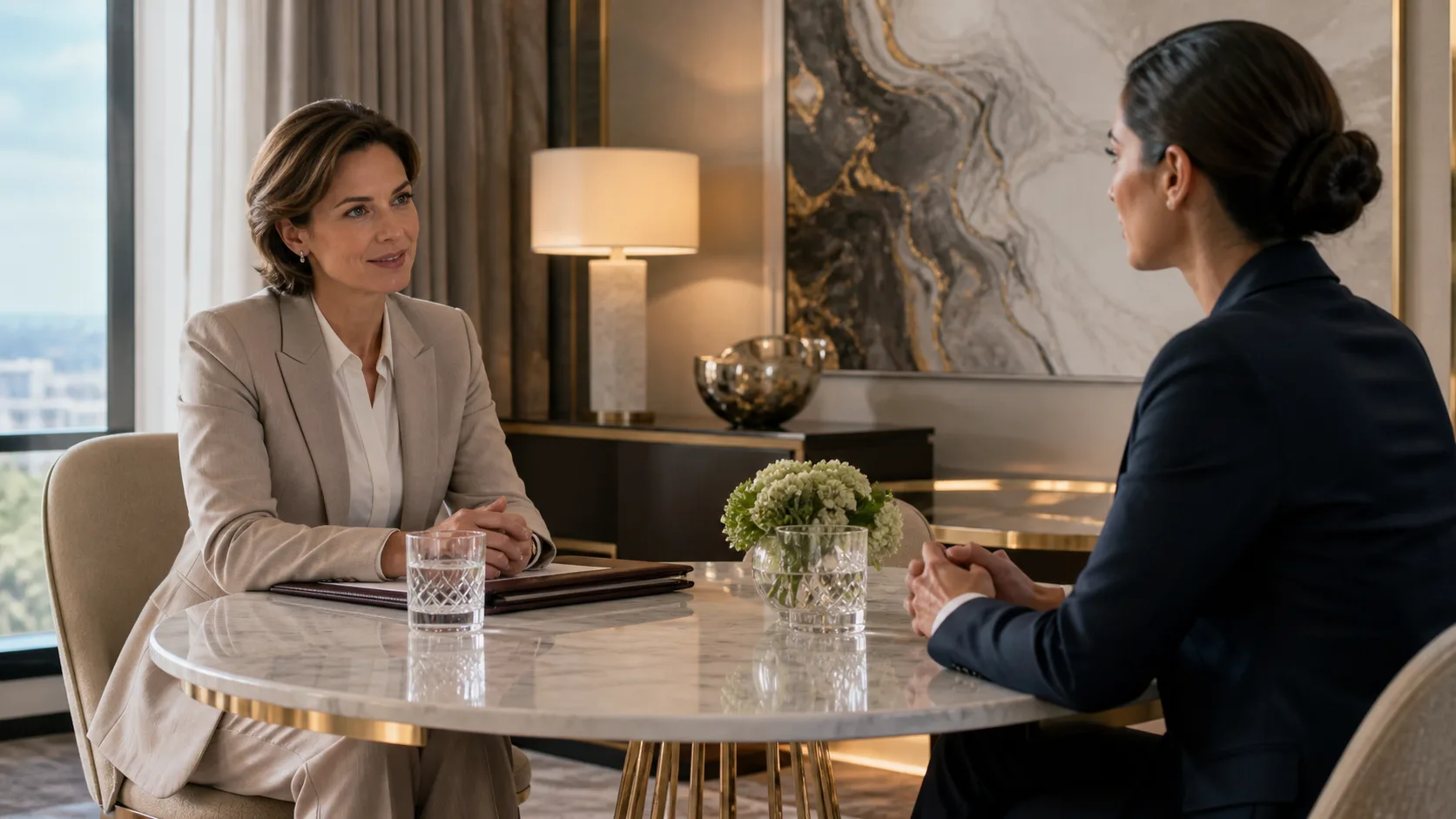
We find it helps to design the room on purpose. For senior roles, your panel may include:
- An owner or family representative
- An asset manager or finance leader
- One or two key department heads
- Sometimes, a trusted long-tenured team member who knows the real culture
Before the candidate arrives, agree on who is listening for what. For example, ownership can lean in on long-term brand and asset value, while department heads listen for how this person leads people on a hard day. Keep the talk focused on decisions, judgment, and style, not a replay of their résumé.
Give finalists prework so they can bring you meaningful answers. You might send:
- A short brand story and property overview
- Your current challenges, in a paragraph or two
- A simple snapshot of your strategy for the next few seasons
This mirrors how thoughtful hospitality headhunters prepare both sides. It also creates a more honest, two-sided conversation instead of a polished performance.
Questions That Reveal Leadership and Culture Fit
Luxury teams are often small, tight, and intense. One leader can either calm the room or keep everyone on edge. To test leadership style and emotional intelligence, we like questions such as:
- “Tell me about the most difficult culture you have ever stepped into. What did you inherit, and what did you leave behind?”
- “Describe a moment when you realized your leadership style was not working. What did you change, and what was the impact?”
- “In your last role, what did your most skeptical direct report say about you after 12 months?”
When evaluating answers, the strongest signals are usually in how grounded and specific the candidate is. Green flags include clear, specific stories (not vague summaries), real self-awareness (including what they missed at first), ownership of missteps without excuse or drama, and a sense of how they read a room and shape culture over time.
Red flags are often patterns in how they explain outcomes and how they position themselves relative to the team. Watch for blaming “the owners” or “the staff” for everything that went wrong, hero tales where they save the day alone with no team credit, a heavy focus on control, rules, and punishment, or very polished but shallow answers with no real detail.
As hospitality headhunters, we pay close attention to tone here. How a leader talks about past teams is usually how they will talk about yours.
Questions That Expose Operational and Financial Rigor
In luxury, you cannot protect margins by quietly lowering the experience. Guests feel it. At the same time, owners and asset managers still need healthy numbers, especially as the festive season and high-travel periods put pressure on performance. The goal in a final interview is to see whether the candidate can hold both truths at once and make trade-offs without eroding trust.
To test this balance, we often ask:
- “Walk me through a time you had to reengineer a guest-facing experience to protect profitability. What changed, and how did you protect the brand feel?”
- “Tell me about a time your forecast was significantly off. What did you miss, and what did you do the next quarter?”
- “How do you make trade-offs when owners, asset managers, and your team want different things?”
Healthy answers usually show comfort with P&L, labor strategy, and pricing levers, and they come with clear numbers and examples rather than vague “we did better” lines. You also want to hear a habit of explaining financial decisions in human terms for staff, along with a steady focus on how guests will experience each choice.
Red flags are typically easy to spot once you know what to listen for. These include “I am very hands-on” with no real financial detail behind it, not knowing basic metrics like RevPAR or average check in past roles, defaulting to discounts and promotions as the only tools, or defending operations without ever mentioning owner goals or asset value.
A strong luxury leader feels fluent in both service language and financial language, and moves between them with ease.
Questions That Test Discretion, Judgment, and Brand Stewardship
For private estates, UHNW principals, and properties with serious wine or culinary reputation, what happens off the record matters as much as what happens on the floor. Here, you are less focused on performance theater and more focused on judgment, boundaries, and whether this person can be trusted with sensitive information and delicate situations.
Useful questions include:
- “Tell me about a situation where a guest, member, or principal crossed a boundary. How did you handle it in the moment and afterward?”
- “Describe a confidential issue you managed between ownership and staff. What did you share, what did you hold back, and why?”
- “When have you chosen to say no to a revenue opportunity because it did not feel right for the brand?”
In strong answers, you’ll hear respectful language about past owners, guests, and principals, plus enough detail to be real without revealing private names or stories. You’re also listening for a clear inner compass about what is right (not just what is allowed) and an understanding of the difference between privacy and secrecy.
Red flags tend to show up as carelessness, showmanship, or misplaced priorities. Be cautious about oversharing gossip that is clearly not theirs to share, name-dropping in a way that feels flashy or careless, casual talk about serious incidents or safety issues, or choosing short-term revenue over long-term trust and brand equity.
This is where luxury leadership search becomes very personal. You are choosing someone who will protect spaces and stories that never appear in public.
Questions That Illuminate Wine, Culinary, and Guest Experience Vision
In many of the places we support, wine, food, and experience design are the heartbeat. Leadership needs both taste and practicality, and the best candidates can articulate a point of view while staying realistic about staffing, training, and execution.
To test their point of view, we suggest:
- “Describe a guest experience you helped build that guests still talk about years later. What details made it unforgettable?”
- “Tell me about a time you elevated a wine or beverage program without increasing cost per guest. How did you do it?”
- “As we head into the holiday season, what would you create here that feels both festive and true to our brand?”
What you are listening for is a clear, personal view of what great hospitality feels like, plus fluency in wine and culinary language without showing off. Strong candidates will also connect ideas across rooms, F&B, spa, or estate life (not just one outlet) and show an understanding of your climate, your guests, and your setting.
Red flags include trendy ideas that do not sound like your property or estate at all, concepts that sound pretty but ignore staffing, space, or training limits, no link between wine or menu choices and guest emotions, and gaps around expectations of luxury and UHNW clientele.
A strong finalist will think like a director of a live show: every detail matters, but the story has to fit your stage.
Reading the Room and Making the Final Call
Once the candidate leaves, the real work starts. Do not jump straight to “Did you like them?” Instead, give each interviewer a moment alone to write down answers to three simple questions:
- Where will this person elevate us most?
- Where might they break something that works?
- What would have to be true for this hire to feel like a success in 18 months?
Then compare notes. Notice who feels energized and who feels tense, and pay attention to quiet misalignment. If owners are excited but the operations team feels dread (or the other way around), pause and unpack why before you move forward.
Also watch for late-stage red flags, which tend to be small but revealing signals of fit and professionalism:
- Entitlement around title, housing, or perks
- Impatience with your process or subtle eye-rolls at extra steps
- Small signs of disrespect toward line staff or junior leaders
- A personal style that feels far from how your guests usually present
In luxury, choosing not to hire yet is sometimes the most protective, thoughtful move you can make. A slower, sharper decision now is far kinder to your owners, your teams, and your guests than untangling a mishire later.
At The Reserve Talent Group, we build processes like this into every search we run. Used with intention, these 12 questions and red flag cues help turn that last interview from a guess into a grounded, shared decision about who you trust with your brand.
Find Hospitality Leaders Who Elevate Every Guest Experience
If you are ready to fill critical roles with proven hospitality professionals, The Reserve Talent Group is here to help. Our specialized hospitality headhunters focus on identifying leaders who match your service standards, culture, and growth goals. Tell us about your hiring needs and we will build a tailored search strategy that respects your time and delivers qualified candidates. To start a conversation with our team, simply contact us today.